A Strategic Pre-Tax Season Operating Model Overhaul for CAS Firms
The 2025 tax season is fast approaching, and for Client Accounting Services (CAS) firms, this is more than just another peak period. It is the annual stress test that magnifies every inefficiency, exposes every gap in communication, and challenges every part of the operating model. Firms cannot afford to treat this as just another grind-it-out window. For those serious about transformation, it is an opportunity to overhaul, strengthen, and future-proof their systems in real time.
McKinsey’s updated “Organize to Value” model introduces twelve critical elements for building high-performing organizations. It may have been designed with large enterprises in mind, but its core logic applies with even more urgency for firms delivering client accounting and advisory services. In fact, it provides an actionable blueprint for improving how CAS firms plan, work, and lead through one of the most intense seasons of the year.
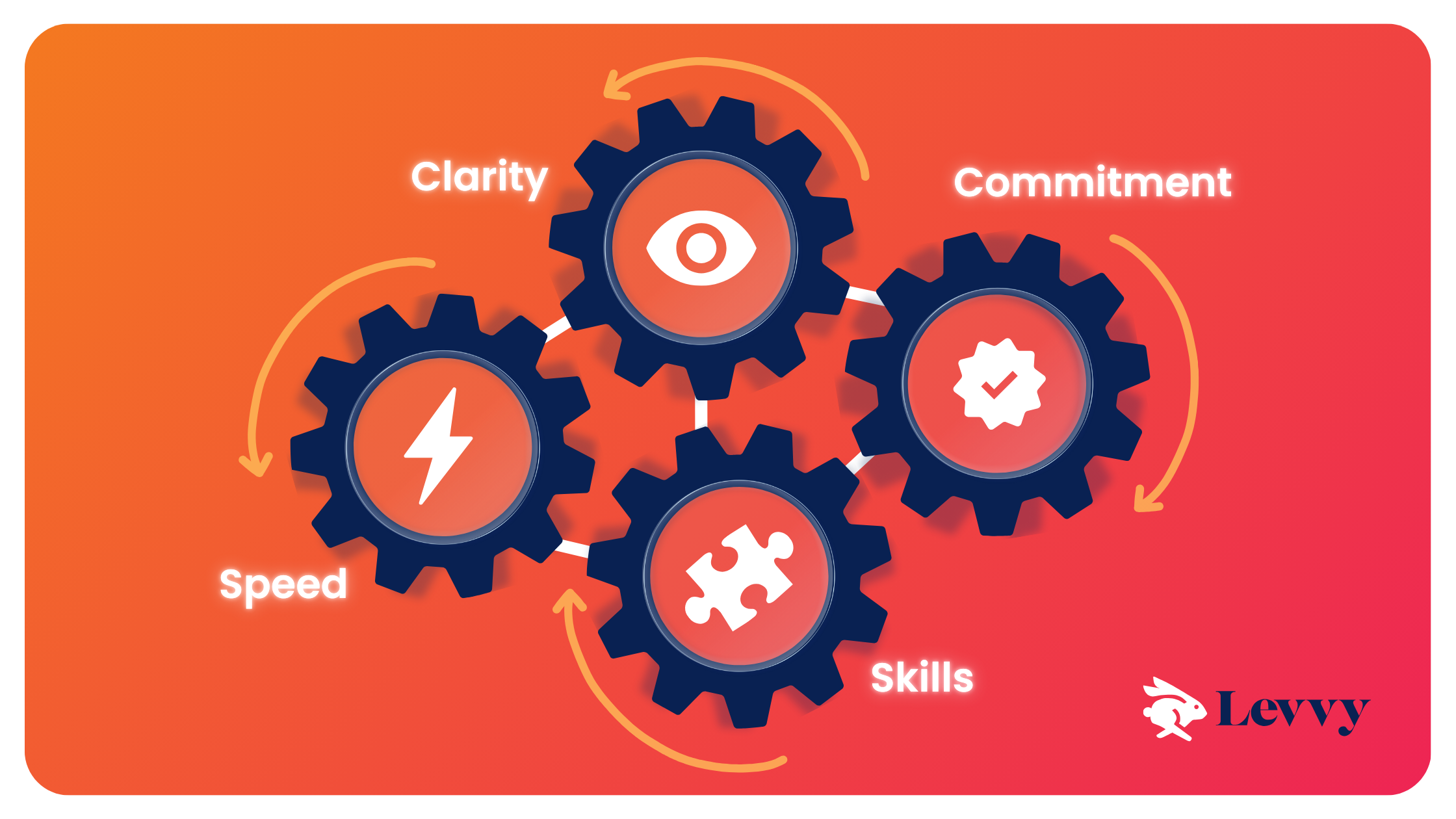
This operating model overhaul is broken into four phases, each one targeting a distinct outcome: Clarity, Speed, Skills, and Commitment. These outcomes are not abstract ideals. They are necessary conditions for a successful tax season. And they serve as leading indicators for how well a firm will handle growth, retain talent, and build client trust over time.
PHASE 1: CLARITY > Outcome: Everyone knows what matters, who owns what, and how we win.
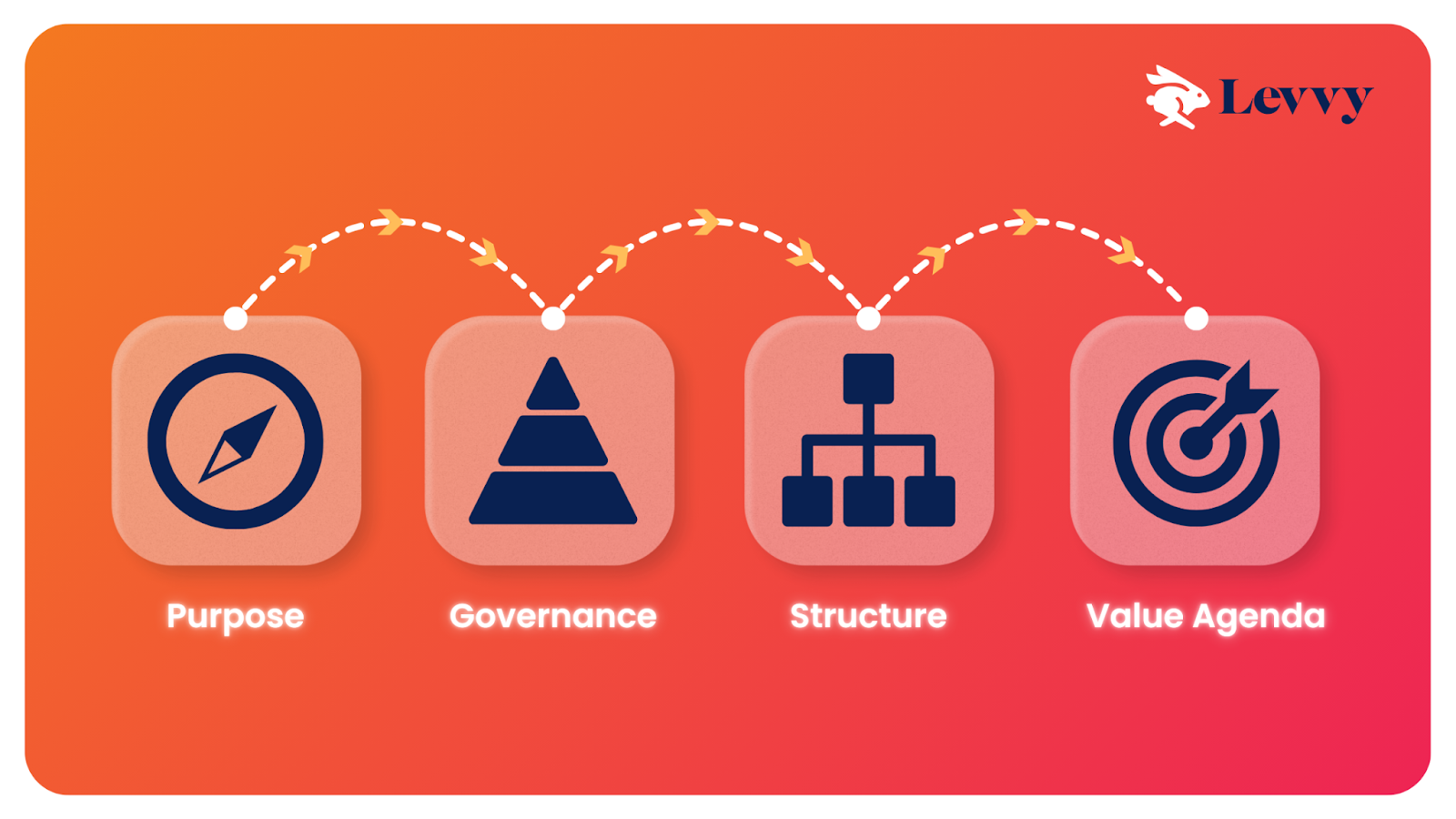
Key Elements: Purpose, Governance, Structure, Value Agenda
- Recommit to Firm Purpose in Context of Tax Season
- Purpose statements often live in slide decks and recruiting materials. But in the chaos of tax season, a firm’s purpose must serve as an operational compass. The first task is to redefine your firm’s purpose through the lens of this unique seasonal pressure.
- What matters most right now? Are we trying to increase throughput and maximize volume? Are we prioritizing white-glove client experience? Are we aiming to develop and test future leaders by exposing them to real-time client problems?
- Each goal requires a different operational emphasis. High throughput needs clean systems and fast decision-making. Client experience needs more touchpoints and personalization. Leadership development needs space for coaching and feedback loops. You cannot do all three well unless you decide which gets prioritized.
- Once this purpose is clear, translate it into seasonal OKRs (Objectives and Key Results). A strong example would be: “Complete 95 percent of client returns by March 15 while maintaining an average client satisfaction score of 4.8 out of 5.” This turns purpose into execution.
- Codify Governance and Delivery Roles
- One of the biggest drains on time and morale during tax season is unclear ownership. Who owns the prep? Who reviews? Who delivers to the client? Who decides when a file is ready to go?
- Codify governance before the rush begins. Document clear decision rights for each workflow. Establish protocols for escalation. Remove ambiguity.
- Use a simple RACI (Responsible, Accountable, Consulted, Informed) matrix to define roles across key workstreams such as 1040 prep, 1120s, and advisory deliverables. When everyone knows their role, there are fewer delays, fewer duplicated efforts, and much clearer accountability.
- Also, establish an operating cadence in advance. When will your team huddles happen? When are review milestones due? When is it okay to message someone and when should deep work be protected?
- Align Structure with Strategic Priorities
- Many firms still assign work based on legacy relationships or partner preference. That model often falls apart during tax season.
- Structure your teams around what matters most this season. Organize delivery pods by complexity of return, industry vertical, or client size. Create specialist teams for recurring work like year-end closes, partnership returns, or cash flow advisory.
- Most importantly, assign clear Engagement Leads. These are team members responsible for the entire client lifecycle within the season from intake to prep to review to delivery. This eliminates handoff confusion and encourages full-cycle ownership.
PHASE 2: SPEED > Outcome: Frictionless, coordinated motion from task to insight to delivery.
Key Elements: Processes, Technology, Leadership, Ecosystem
- Streamline Core Workflows
- Speed is not just about moving fast. It is about moving without unnecessary friction. The first step is to audit and streamline your highest-volume workflows.
- Pick three to five core workflows that your team executes repeatedly during tax season such as 1040s, 1120s, cash flow planning, or year-end reconciliations.
- Document these workflows with process maps that include embedded decision points. These maps reduce Slack and email back-and-forth by giving teams clarity on what happens when.
- Where bottlenecks exist often with reviewers or data input, simplify the steps or reassign tasks upstream.
- Centralize Context with Technology
- Fragmented context is the enemy of speed. When files live in one place, client history in another, and comments in email threads, work slows down and errors creep in.
- Use a system like Levvy or another centralized platform to consolidate files, communication, checklists, and client notes into a single space. Teams should not have to look in five places to understand one client.
- Add shared dashboards that visualize project statuses, reviewer load, and client readiness. If your firm still tracks WIP or status in spreadsheets, now is the time to move to an integrated task-tracking tool with built-in ownership logic.
- Decentralize Decision-Making for Agility
- Decisions made at the edges are faster and often more accurate. Instead of routing every decision up the chain, define what decisions can be made locally by pods or client teams.
- For example, allow team members to resolve client questions or pricing issues up to a specific threshold without seeking partner approval.
- Encourage a mindset of judgment-forward action: “What would you do if I were not available?” Equip your team to act with confidence within clear guidelines.
- For contractors, freelancers, or offshore teams, create an onboarding doc that explains not just tasks but context. Define quality standards, turnaround times, and who to escalate to when something feels off.
PHASE 3: SKILLS > Outcome: The right people, with the right capabilities, in the right spots.
Key Elements: Talent, Footprint, Technology
- Assign Pods Based on Capability, Not Just Capacity
- Volume without skill is risky. Before tax season kicks off, analyze the skill mix within each pod.
- A high-performing pod needs technical strength (accuracy), process fluency (speed), and communication confidence (client-facing issues). Balance your team structures accordingly.
- If you have pods overloaded with juniors or new hires, pair them with strong reviewers or limit their scope to lower-risk returns.
- Rethink Your Footprint for Maximum Flex
- If your firm has access to offshore or contractor resources, use them intentionally. Assign predictable or low-touch tasks to these resources to free your internal staff for higher-value work.
- Where possible, sequence prep and review across time zones. This enables rolling productivity windows that extend output without burning out your local team.
- Upskill Inside the Flow of Work
- Formal training is helpful, but most learning happens in context. Encourage senior team members to provide annotated feedback in real time. Use your workflow system to embed comments directly within returns or deliverables.
- Over time, this feedback loop becomes a powerful internal training engine that builds capability without pulling people out of the field.
PHASE 4: COMMITMENT > Outcome: High performance, high morale, low burnout.
Key Elements: Behaviors, Rewards, Culture, Purpose
- Set and Reinforce Norms for Busy Season
- Unspoken norms create anxiety. Spell out the behaviors your firm expects and supports during the busiest time of year.
- What is the protocol if someone feels overwhelmed? How should team members flag help requests? What happens when a client deadline conflicts with internal milestones?
- Establish shared agreements about how the team operates under pressure. Normalize vulnerability, help-seeking, and real-time support.
- Recognize Collective Wins, Not Just Heroic Individuals
- Firms often celebrate the person who pulled an all-nighter to get a return out. But heroism hides broken systems. Reward teams for sustainable excellence, not self-sacrifice.
- Celebrate pods who finish early. Highlight clients who sent in complete data ahead of time. Track small wins publicly—like “five clean returns submitted today” or “all March deliverables are on track.”
- These moments fuel morale and reinforce that progress is being made.
- Link Performance to Purpose Every Week
- People are more resilient when they know their work matters. Share client stories that illustrate the impact of your firm’s work. Reinforce how team actions lead to peace of mind, financial clarity, or avoided penalties.
- Have a partner send out a brief weekly message connecting operational wins to client outcomes. That link is fuel for the long haul.
Don’t Just Get Through Tax Season, Transform Through It
Tax season is more than a calendar event. It is a mirror that reflects the truth of your operating model.
By applying McKinsey’s 12-element framework in practical, focused ways, your firm can move from reactive execution to deliberate performance. You do not need to rebuild your practice from scratch. But you do need to tune the engine now.
This playbook gives you the roadmap. What you do next defines how well your team performs under pressure and how ready you are for the next evolution of firm growth.

.png)
.png)